.svg)
Longevity Training Isn't Easy Training

.jpg)
Longevity Training Isn’t Easy Training
I am sure you have heard this before once you hit your late 30s or 40s, the narrative shifts.
The messaging becomes softer. The workouts become lighter. The focus moves toward “just moving,” stretching more, maybe lifting less, and avoiding anything that might be considered intense.
It's almost like the goal of training now becomes not breaking rather than continuing to be better. I have never bought that idea.
For me, longevity training isn’t about backing off and taking it easy. It’s about continuing to train hard and in a way that you can sustain for years to come.
But there’s an important caveat. You cannot train exactly the way you did when you were 20. And accepting that requires a mental shift that many people struggle to make, especially if they have been training for a long time.
The First Change: Letting Go of the “More Is Better” Mindset
This is a really hard one for most people to get their heads around, regardless of their age. If you think back when you're younger, the equation feels simple.
Train more. Train harder. Recover faster. Repeat.
Your joints bounce back. Your sleep doesn’t have to be perfect. You can stack high intensity sessions back-to-back and somehow still show up the next day ready to go again with no issues.
At 40 plus, things are different. You do one day with back-to-back high intensity workouts, and you might feel like you need a week off.
Don’t get me wrong; you can still train hard, sometimes harder than ever, but the margin for error is smaller. Recovery becomes part of the program rather than something you hope just happens.
For me, one of the biggest shifts personally, and my clients has been moving from chasing exhaustion in every session to focusing on sustainability.
The question is no longer:
“How much can I get through this session or today?”
Instead, it’s:
“How do I train hard and in a way that allows me to keep doing this tomorrow and the day after that?”
That mindset I feel changes everything.
Why Lifting Heavy Still Matter at 40+
This is huge. One of the biggest mistakes people make as they age is abandoning heavy strength training.
They swap barbells for the bands. Heavy squats for light circuits and sweating. And the real strength works for “functional” fluff (social media).
But strength is one of the most important physical qualities we can maintain as we age.
Heavy lifting:
- Preserves muscle mass
- Maintains bone density
- Protects joints
- Keeps the nervous system sharp
The above apply to both men and women. The key difference isn’t that we stop lifting heavy; it’s that we become switched on with how we do it.
The focus shifts toward:
- Fewer maximal attempts (all out efforts)
- Better technique
- More structured progressions
- Enough recovery between heavy sessions
The goal isn’t proving strength in every workout. It’s about building and maintaining it over time. Imagine squatting the same weight at 40 that you were hitting when you were 25 and training hard. That's pretty awesome.
Sprinting, Carries, and Impact Still Matter
Most people miss this one, but another quality that disappears too quickly as we age is power.
We stop sprinting, stop jumping, and almost avoid impact entirely.
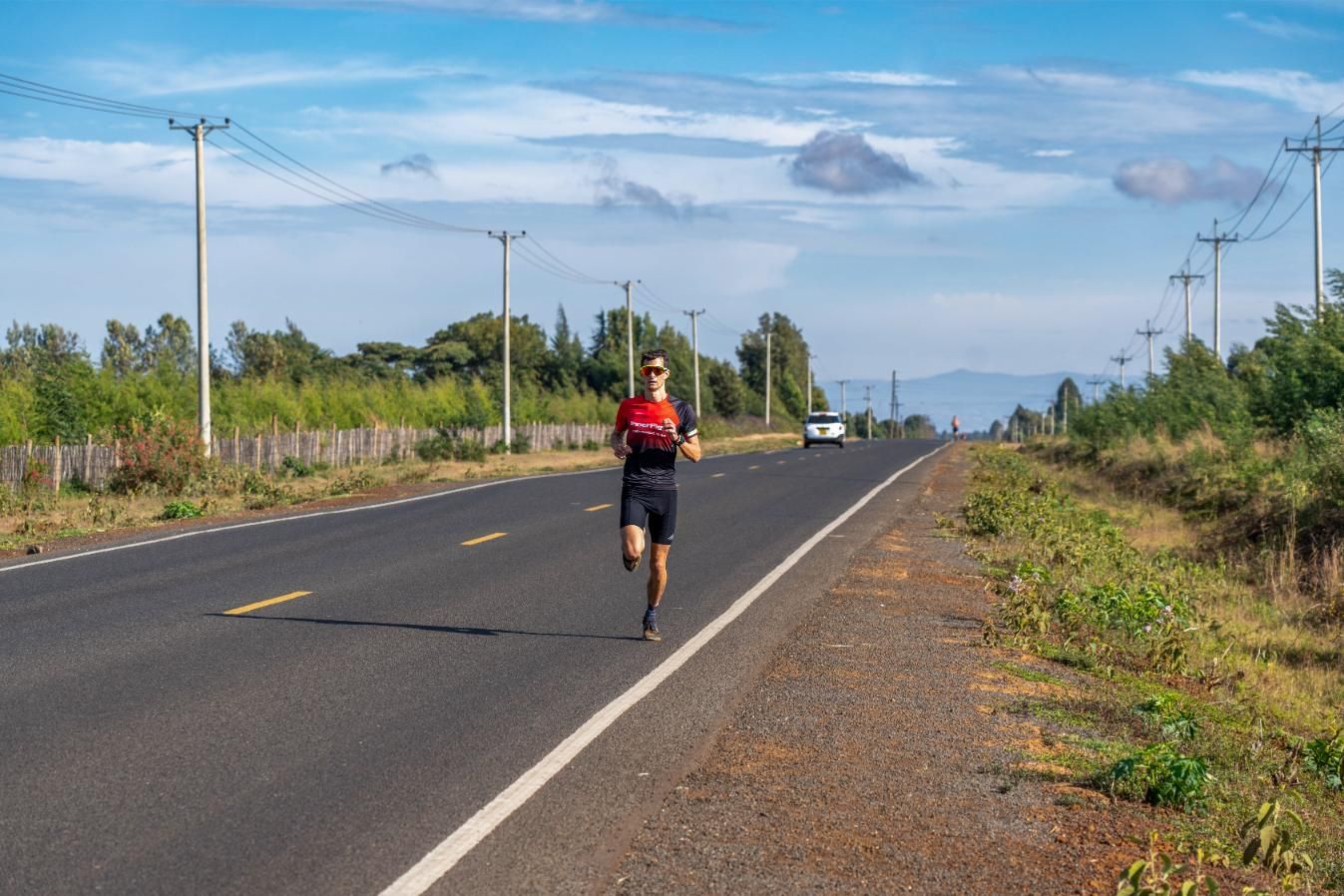
But power is one of the first physical qualities we lose with age and one of the most important to maintain. Sprinting, loaded carries, jumping, and explosive movements keep the body resilient and training fun.
They challenge:
- Tendons
- Connective tissue
- Neuromuscular coordination
- Reaction speed
They basically make you a bad ass. However, they have to be managed carefully.
Now before you go out and start sprinting, just remember you can’t go from zero to maximal sprint sessions overnight. They should be added slowly, focusing on intent and purpose rather than volume.
Remember, the goal is about maintaining the ability to move fast and produce force, not breaking yourself down.
Aerobic Capacity: The Real Longevity Driver
It's not just all strength training before anyone thinks I am biased. Aerobic capacity is certainly just as important in supporting long-term health and performance.
A strong aerobic systems support:
- Heart health
- Recovery between hard efforts
- Metabolic health
And perhaps most importantly for a lot of people who like training with some intensity, it allows them to recover faster between training sessions.
The mistake many people make is thinking aerobic training means slow, boring cardio. But in reality, it’s about building a system that allows you to handle more work with less stress.
For me personally, that means including consistent aerobic work through:
- Cycling
- Rowing
- Ski erg
- Longer mixed conditioning sessions
I have found that without a strong aerobic base, everything else becomes harder to sustain.
The Real Challenge: The Mental Shift
This is probably the hardest shift to make. The physical adjustments are actually the easy part. The most challenging part of longevity training is the mental shift that comes with it.
You have to let go of some old habits.
You have to accept that:
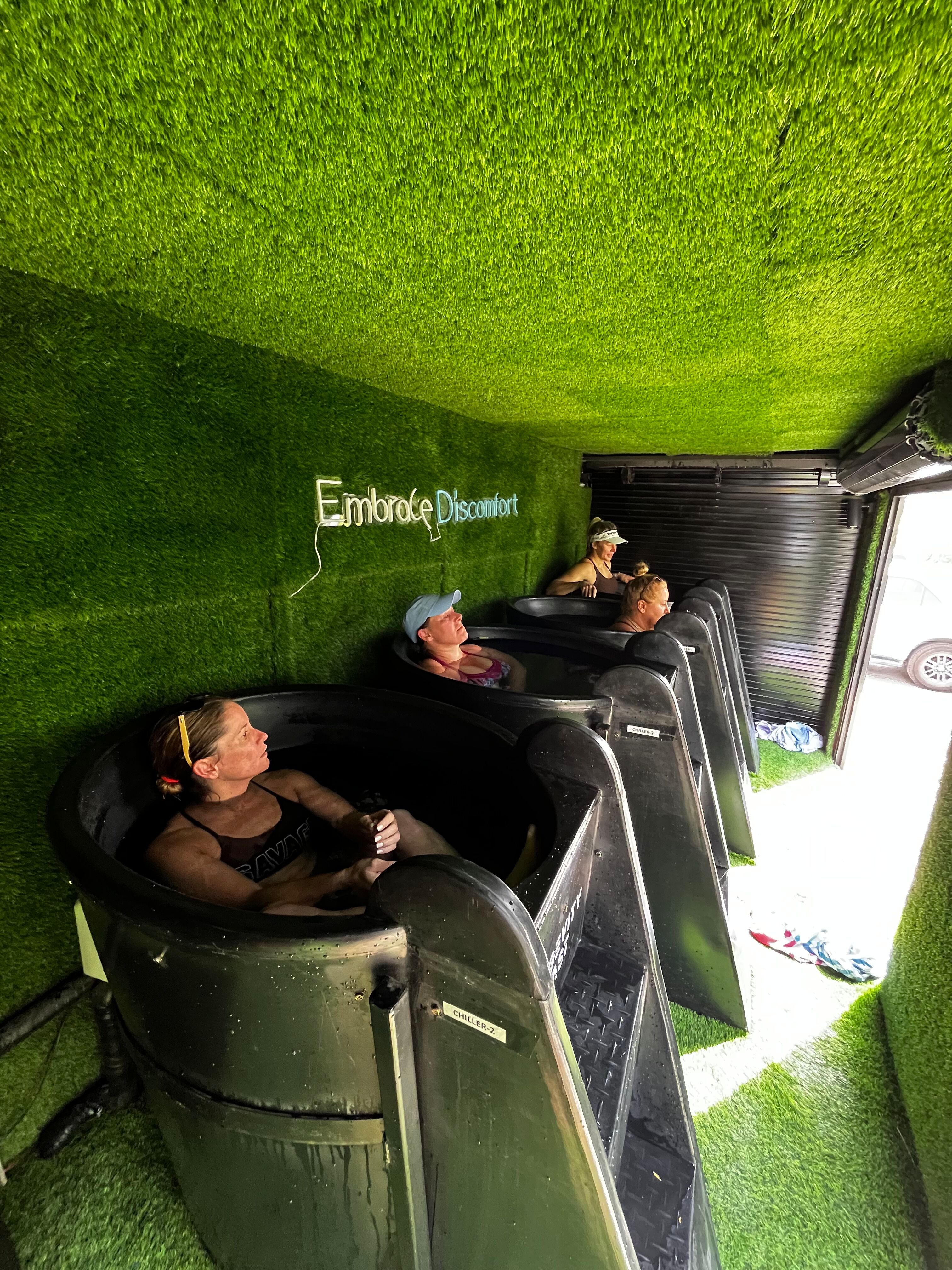
- Not every session should destroy you
- Progress sometimes looks slower
- Recovery is not weakness
- And consistency matters more than random workouts
For anyone who has built their identity around being able to “go harder than everyone else,” or absolutely smashing themselves, this can be uncomfortable.
But longevity training isn’t about doing less. It’s about doing the right things, at the right intensity, and at the right time.
Some days that still means lifting heavy, some days it means sprinting, some days it means building the aerobic engine and then there are definitely days when you need to recover.
Every session serves the bigger goal: being able to keep training well for as long as you want, not just a few months.
The Long Game
Training in your 40s can actually be incredibly rewarding.
You understand your body better. You train with more intent. And you stop chasing nonsense and focus on what actually works.
But the key is accepting that longevity isn’t passive. It definitely doesn’t come from avoiding challenges. It comes from training smart, training hard, and training in a way that your body can sustain over time.
Longevity training isn’t easy training. It’s simply better training.
About InnerFight
InnerFight is a premier fitness and endurance coaching company based in Dubai. Whether you’re a busy professional seeking peak performance or an athlete pursuing ambitious dreams, InnerFight offers a supportive community where hard work, honesty, and simplicity drive extraordinary results.
We share insights, advice, tips and success stories to empower your fitness journey:
- The InnerFight Podcast features fitness, mindset, and personal stories
- The Endurance Podcast covers running, cycling, and triathlon training
- The InnerFight Blog delivers expert articles from certified coaches
Follow us on LinkedIn, Instagram, Facebook, and X for weekly motivation, training tips, and behind-the-scenes content from our Dubai community and international training camps.
If you’re based in Dubai, visit our 5,000 square foot facility to experience our world-class strength and conditioning classes, personal training, and endurance coaching. Receive 3 free sessions to experience our approach firsthand.
Fun - Honesty - Simplicity - Smash Life - MENTAL TOUGHNESS - Hard Work


.jpg)
.avif)
.jpg)